
5S training and lean management principles optimize business operations through streamlined processes. The 5S framework (Sort, Set in Order, Shine, Standardize, Sustain) enhances productivity, reduces waste, and improves employee satisfaction. Key actionable advice includes integrating 5S into onboarding, regular audits, workforce involvement, and data-driven decision making. Regular reviews ensure process standardization becomes a natural part of company culture, fostering continuous improvement and operational excellence across sectors. KPIs like cycle time reduction and defect rates measure success.
In today’s competitive business landscape, efficient and streamlined processes are not just desirable but essential for sustained success. Structured process improvement, through methodologies like 5S training and lean management, has emerged as a powerful tool to optimize workflow and enhance productivity. This article delves into the intricacies of implementing workplace organization principles and continuous improvement strategies, offering a comprehensive guide to achieving unparalleled efficiency. By exploring proven techniques, we aim to equip professionals with the expertise to transform chaotic environments into well-oiled machines, naturally fostering standardization across various processes.
- Understanding Structured Process Improvement Fundamentals
- Implementing 5S Training for Optimal Workplace Organization
- Lean Management Principles: Streamlining Workflows
- The Role of Continuous Improvement in 5S Methodology
- Standardization: Creating Consistency Across Processes
- Measuring Success: Evaluating Post-Improvement Results
Understanding Structured Process Improvement Fundamentals

Structured Process Improvement, a systematic approach to optimizing business operations, is built on foundational practices like 5S training and lean management principles. These methods, deeply rooted in workplace organization, cultivate an environment conducive to continuous improvement. The 5S framework—Sort, Set in Order, Shine, Standardize, Sustain—serves as a powerful tool for streamlining processes and promoting efficiency. By implementing these steps, organizations can achieve unparalleled order and productivity, eliminating waste and enhancing overall performance.
For instance, a manufacturing facility adopting 5S principles might begin by sorting through inventory, discarding obsolete items, and organizing tools in a logical sequence. This initial phase lays the groundwork for smoother workflow processes. The subsequent ‘Set in Order’ step involves establishing clear workspace layouts, ensuring each employee has designated areas for their tasks. Regular ‘Shine’ activities, such as daily cleaning routines, maintain this organized environment. Standardization, achieved through comprehensive 5S training and process documentation, ensures consistent application of these principles across the board. Finally, continuous sustainability efforts reinforce these improvements over time, fostering a culture of ongoing refinement.
Integrating lean management methodologies complements structured process improvement by focusing on eliminating non-value-added activities. This involves analyzing each step in a process to identify inefficiencies and streamlining operations accordingly. For example, implementing just-in-time inventory systems reduces excess stock, while Kanban boards visually manage workflow, preventing bottlenecks. By combining 5S training with lean principles, organizations can achieve remarkable workplace organization and process standardization, naturally driving continuous improvement.
Actionable advice for embracing structured process improvement begins with top-down commitment. Leadership must prioritize these initiatives, providing necessary resources and fostering a culture that embraces change. Regular audits and training sessions ensure understanding and adherence to standardized processes. Additionally, encouraging feedback from all levels ensures practical insights are not overlooked. Data collection and analysis play a pivotal role in identifying areas for improvement, with metrics tracking progress towards defined goals. Through persistent dedication to these foundational practices, organizations can harness the transformative power of structured process improvement, leading to enhanced productivity, reduced waste, and overall operational excellence.
Implementing 5S Training for Optimal Workplace Organization

Structured process improvement through 5S training is a powerful tool for enhancing workplace organization and driving lean management practices. The 5S framework—Sort, Set in Order, Shine, Standardize, Sustain—provides a systematic approach to streamlining workflows, eliminating waste, and creating an environment conducive to continuous improvement. By implementing 5S training, organizations can achieve significant benefits such as increased productivity, reduced errors, and improved employee satisfaction.
For instance, consider a manufacturing plant that adopts 5S principles. Through Sort, they might remove unnecessary equipment and materials, reducing clutter and improving accessibility. Set in Order involves organizing tools and supplies in a logical sequence, facilitating efficient workflow. Shine focuses on maintaining cleanliness and visual clarity, ensuring that all areas are easily visible and maintainable. Standardize solidifies these practices through established procedures and regular audits, fostering a culture of process standardization. Finally, Sustain emphasizes continuous evaluation and improvement, ensuring the 5S principles remain effective over time.
Data supports the efficacy of this approach. A study conducted by the Lean Management Institute found that companies implementing 5S training experienced an average 20% increase in operational efficiency within six months. Moreover, employee engagement improved by 15%, highlighting the positive impact on workplace morale and productivity. To harness these advantages, organizations should invest in comprehensive 5S training programs tailored to their specific needs. Expert trainers can facilitate workshops, providing hands-on experience and actionable strategies for implementation.
Regular reviews and feedback sessions are crucial for maintaining momentum. By continually assessing progress and encouraging open communication, organizations can identify areas for further optimization. Incorporating 5S continuous improvement into the organizational culture ensures that process standardization becomes a natural part of daily operations, leading to sustained efficiency gains and enhanced workplace organization.
Lean Management Principles: Streamlining Workflows
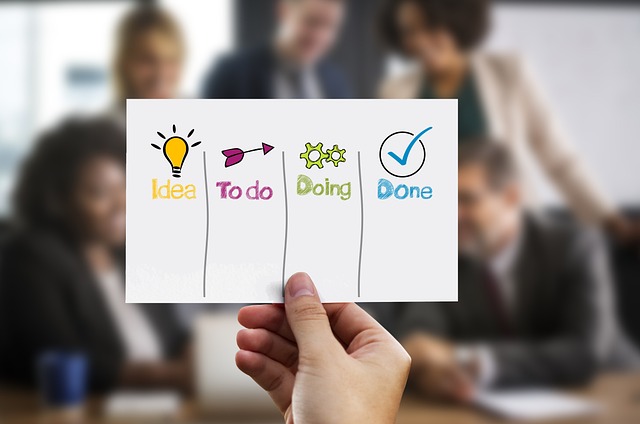
Lean management principles, rooted in manufacturing excellence, offer a powerful framework for streamlining workflows and enhancing overall workplace organization. At the heart of this methodology lies the 5S training system – Sort, Set in Order, Shine (Clean), Standardize, and Sustain – which serves as a continuous improvement tool. Each ‘S’ represents a distinct yet interconnected step, guiding organizations towards achieving efficiency and quality in their processes. For instance, a manufacturing plant might begin by sorting its production floor, removing unnecessary items to create a clear workspace, followed by setting tools and equipment in logical order for easy access.
Implementing 5S training involves a structured approach where each ‘S’ is meticulously applied. After sorting, employees identify and discard waste, ensuring only essential items remain. This step alone can lead to significant productivity gains. Subsequently, through setting in order, the workplace is organized according to specific standards, facilitating efficient work flows. Regular cleaning or ‘shining’ maintains this order, preventing the accumulation of clutter. Standardization, the next phase, involves establishing consistent procedures and documentation, enabling employees to follow clear guidelines. Finally, sustaining focuses on continuous improvement, fostering a culture where regular reviews and adjustments keep the 5S practices fresh and effective.
Actionable advice for organizations embracing lean management includes integrating 5S training into onboarding programs to instill organizational discipline from day one. Regular audits, conducted by both management and employees, can help maintain the system’s effectiveness. Moreover, involving the workforce in identifying areas for improvement leverages their collective expertise, fostering a sense of ownership over the process. Data-driven decisions, where metrics are tracked post-implementation, provide valuable insights into the impact of 5S training, allowing organizations to measure success and refine strategies accordingly.
The Role of Continuous Improvement in 5S Methodology

The 5S methodology, rooted in lean management principles, is a powerful framework for workplace organization and process standardization. At its core, 5S emphasizes efficiency, effectiveness, and continuous improvement. The “S” stand for Sort (removing unnecessary items), Set in Order (arranging tools and equipment logically), Shine (cleaning and maintaining), Standardize (establishing consistent practices), and Sustain (continuing the cycle of improvement). This structured process improvement approach is not merely a set of steps; it’s a mindset that fosters a culture of excellence and sustainability.
Continuous improvement, a key tenet of lean management, plays a pivotal role in the 5S methodology. It involves ongoing assessments and adjustments to work processes, aimed at eliminating waste, enhancing efficiency, and ensuring high-quality outputs. For instance, a manufacturing facility implementing 5S principles through regular 5S training might identify that certain tools are frequently misplaced due to disorganized storage. By systematically sorting, setting in order, and standardizing tool placement, they can significantly reduce downtime associated with tool retrieval, thereby improving overall productivity. Data from such implementations often reveals substantial gains in throughput, reduced defect rates, and enhanced operator morale.
The integration of continuous improvement within 5S requires a disciplined approach that involves all employees. Regular audits, known as “5S checks,” help maintain the organized state of the workspace while identifying areas for further enhancement. These checks promote a sense of collective ownership over the work environment and processes, empowering employees to suggest innovative solutions. For example, a retail store might observe that customers often struggle to find specific products on the sales floor. Through 5S continuous improvement initiatives, they could reorganize product displays, implement clear signage, and train staff to proactively assist shoppers. Such measures not only enhance the customer experience but also contribute to increased sales and improved employee satisfaction.
In conclusion, leveraging 5S training and embracing lean management principles offer a comprehensive strategy for workplace organization and process optimization. By integrating continuous improvement into their core practices, organizations can naturally achieve process standardization while driving operational excellence. This proactive approach not only enhances productivity and efficiency but also fosters a culture of innovation and sustained success.
Standardization: Creating Consistency Across Processes
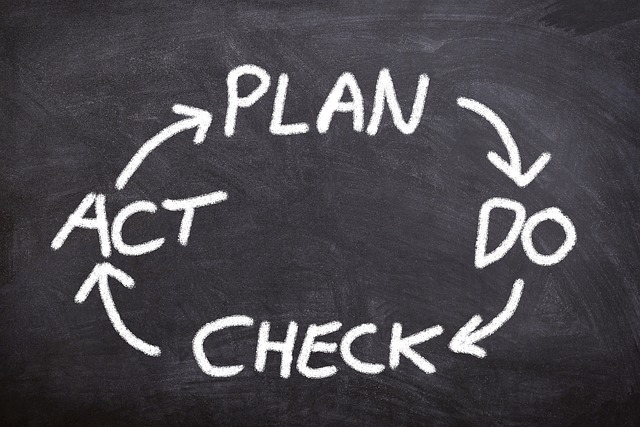
Standardization plays a pivotal role in structured process improvement initiatives, ensuring consistency across operations. This involves implementing standardized work procedures and best practices to create a seamless, efficient workflow. In lean management principles, this is often achieved through 5S training—a system that emphasizes sorting, setting in order, shining (cleaning), standardizing, and sustaining. By teaching employees the 5S methodology, organizations can achieve exceptional workplace organization, reducing waste and enhancing productivity.
For instance, a manufacturing facility might employ 5S to streamline their assembly line. Initially, workers struggled with inconsistent setup times due to disorganized workstations. After implementing 5S training, each station was meticulously organized, using color-coded labels, clear containers, and designated tools. This standardization not only reduced setup time by 30% but also improved overall productivity and product quality.
Process standardization goes beyond initial implementation. It’s a continuous improvement process that requires regular reviews and updates. Organizations should encourage feedback from employees who interact with the standardized processes on a daily basis. This ensures that any inefficiencies or bottlenecks identified are addressed promptly, fostering an environment where 5S becomes an integral part of the company culture rather than a mere training session. Regular audits and data analysis can provide valuable insights into areas for further optimization, keeping the process dynamic and relevant.
Measuring Success: Evaluating Post-Improvement Results

Structured process improvement initiatives, such as 5S training and lean management, are not complete without a robust strategy for measuring success. Evaluating post-improvement results is a critical step in ensuring that efforts translate into tangible benefits and sustained performance enhancements. This involves establishing clear metrics, defining key performance indicators (KPIs), and conducting thorough analysis to assess the impact of changes implemented through 5S continuous improvement methodologies.
For instance, consider a manufacturing facility aiming to streamline their assembly line using 5S workplace organization principles. Initial improvements might include sorting and arranging tools for easier access, standardizing work procedures, and maintaining a clean, organized environment. Success can be measured by tracking key metrics such as cycle time reduction, defect rates, and operator productivity gains. Data collection and analysis should be ongoing, allowing for continuous adjustment and refinement of processes. A 30% decrease in assembly line downtime, for example, would indicate significant success in enhancing operational efficiency.
Additionally, qualitative feedback from employees can provide valuable insights into the effectiveness of process standardization. Regular surveys and interviews can gauge worker satisfaction, identify lingering challenges, and highlight areas where further 5S continuous improvement is needed. Integrating these quantitative and qualitative data sources enables a comprehensive evaluation of post-improvement results, ensuring that the organization achieves its goals through well-informed, data-driven decisions. Ultimately, successful structured process improvement requires ongoing measurement and adaptation, fostering a culture of continuous learning and optimization.
Structured process improvement is a powerful approach that combines 5S training, lean management principles, and continuous 5S methodology to transform workplaces. By implementing these strategies, organizations can achieve exceptional workplace organization and streamline workflows through process standardization. The key insights from this article underscore the importance of understanding fundamental concepts, training employees in 5S practices, embracing lean management principles, and fostering a culture of continuous improvement. Measuring success through evaluation ensures sustainable results that enhance overall efficiency and productivity. With these practical next steps, businesses can harness the potential of structured process improvement, leveraging 5S training and lean management to create consistent, optimized processes that drive organizational success.