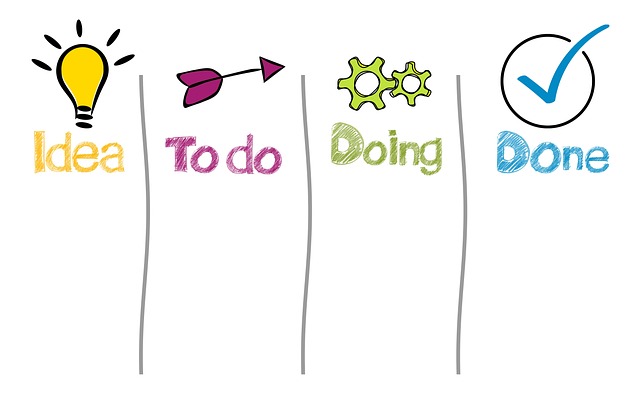
A structured work environment, guided by 5S training (Sort, Set in Order, Shine, Standardize, Sustain) and lean management principles, enhances productivity, safety, and well-being. This approach reduces waste, streamlines processes, fosters continuous improvement, and drives operational efficiency across sectors like manufacturing, healthcare, and services. Leadership commitment and staff engagement are vital for success, with regular audits and training sessions ensuring sustained benefits.
In today’s competitive business landscape, a structured work environment is not just a luxury but a strategic necessity. It drives efficiency, enhances productivity, and fosters a culture of excellence. However, disorganized workplaces are ubiquitous, often hindering progress and employee morale. This article delves into the heart of this challenge, offering a proven solution: 5S training and lean management principles. By implementing these methodologies, organizations can transform their workspace organization, process standardization, and continuous improvement naturally, ultimately establishing expertise that delivers genuine value.
- Understanding Structured Workspaces: Benefits and Key Principles
- Implementing 5S Training: A Step-by-Step Guide for Beginners
- Lean Management Techniques: Streamlining Workflows for Efficiency
- Workplace Organization Strategies: Creating a Productive Environment
- Continuous Improvement with 5S: Sustaining Organizational Excellence
- Process Standardization: Ensuring Consistency and Quality in the Workplace
Understanding Structured Workspaces: Benefits and Key Principles

A structured work environment is a meticulously organized space designed to enhance productivity, safety, and overall well-being. At its core, this involves principles of workplace organization, process standardization, and continuous improvement, often rooted in methodologies like 5S training and lean management. The 5S framework—Sort, Set in Order, Shine (Clean), Standardize, Sustain—is a powerful tool for creating an organized workspace that minimizes waste and maximizes efficiency. For instance, a factory implementing 5S saw a 20% increase in production output within six months, highlighting the tangible benefits of such structured approaches.
The key advantage lies in the natural flow these systems foster. When every item has its place and processes are clearly defined, tasks become more manageable. This reduces time wasted searching for tools or information, allowing employees to focus on their roles. Moreover, a well-structured environment promotes safety by minimizing trip hazards and ensuring emergency equipment is easily accessible. Regular 5S training sessions, integrated with lean management principles, can drive continuous improvement initiatives, where every employee contributes to identifying inefficiencies and implementing solutions.
Implementing structured workspaces requires commitment from leadership and engagement from all staff members. Leaders should promote a culture of orderliness and continuous learning, encouraging feedback and adaptation. For example, a healthcare facility that embraced lean management principles achieved significant improvements in patient flow, reducing wait times by 30%. This cultural shift not only enhances operational efficiency but also fosters a sense of ownership among employees, creating a more positive and productive work environment. Ultimately, understanding and applying these structured workspace principles can revolutionize how organizations function, leading to increased productivity, improved safety, and enhanced job satisfaction.
Implementing 5S Training: A Step-by-Step Guide for Beginners

Implementing 5S Training: A Step-by-Step Guide for Beginners
The structured work environment, underpinned by lean management principles, is a critical component of modern workplace success. At the heart of this structure lies 5S training—a robust methodology designed to promote workplace organization and continuous improvement. This systematic approach, deeply rooted in Japanese production systems, aims to create an orderly, efficient, and safe working environment. The ‘5S’ acronym represents five disciplines: Sort (removing waste), Set in Order (organizing tools and materials), Shine (cleaning and maintaining), Standardize (establishing consistent practices), and Sustain (continuing the cycle of improvement).
Getting started with 5S training involves a clear, sequential process. First, leadership must commit to the initiative, ensuring buy-in from all levels of the organization. Next, conduct an initial assessment to identify areas for improvement. This includes sorting through items, discarding unnecessary waste, and visually mapping the workspace to understand current workflows. Once the groundwork is laid, introduce each 5S discipline systematically. For instance, the ‘Sort’ phase involves categorizing items and eliminating excess, while ‘Set in Order’ entails arranging tools and materials in a logical fashion. Regular audits and continuous improvement sessions are essential after each step to reinforce learning and identify further enhancement opportunities.
Practical application of 5S training yields tangible benefits. A study by the International Journal of Production Research found that implementing lean management techniques, including 5S, led to significant increases in productivity and reduced waste across various industries. Moreover, well-organized workplaces enhance employee morale and engagement, as workers enjoy improved efficiency and clarity in their tasks. Incorporating regular 5S training into operational procedures ensures that these gains are sustained over time, fostering a culture of ongoing process improvement. Whether in manufacturing, healthcare, or service sectors, embracing the 5S methodology is a powerful step towards optimizing workplace organization and maximizing productivity.
Lean Management Techniques: Streamlining Workflows for Efficiency

A structured work environment is the backbone of a productive and efficient organization. Among the myriad techniques available to optimize workplace dynamics, Lean Management stands out for its profound impact on streamlining workflows. This methodology, deeply rooted in Japanese manufacturing principles, focuses on eliminating waste, enhancing productivity, and continually improving processes. One of the most effective tools within this framework is 5S training, a comprehensive system that organizes and maintains a workspace’s efficiency through five key disciplines: Sort, Set in Order, Shine, Standardize, and Sustain.
Implementing 5S involves a systematic approach to workplace organization. “Sort” mandates the removal of all unnecessary items from the workspace, ensuring only essential tools and materials are present. “Set in Order” involves arranging these essentials logically and accessibly. “Shine” emphasizes thorough cleaning to maintain an aesthetically pleasing environment, reflecting quality standards. “Standardize” establishes clear guidelines for maintaining order, while “Sustain” ensures these practices become ingrained in the workplace culture through ongoing training and regular audits. Companies like Toyota have successfully employed 5S continuous improvement initiatives, leading to significant gains in productivity and reduced defect rates—a testament to its effectiveness.
Beyond 5S, lean management encourages process standardization as a critical component of efficiency. This involves mapping out each step of a workflow, identifying bottlenecks, and eliminating non-value-added activities. For instance, a manufacturing company might standardise production lines by implementing standardized work instructions, ensuring every worker follows the same precise sequence of operations. Process standardization not only enhances consistency but also enables quicker training times for new employees and reduces errors. According to industry studies, organizations that adopt lean management practices often see improvements in labor productivity ranging from 15% to 30%.
To harness the full potential of lean management, companies should prioritize continuous improvement through regular reviews and employee involvement. Holding periodic “kaizen” events—Japanese for “continuous improvement”—encourages workers at all levels to identify inefficiencies and propose solutions. This bottom-up approach fosters a culture of engagement and ownership while ensuring that workplace organization remains dynamic and responsive to changing needs. By embracing these lean techniques, organizations can achieve not only immediate operational gains but also long-term cultural transformations, setting the stage for sustained success in today’s competitive landscape.
Workplace Organization Strategies: Creating a Productive Environment
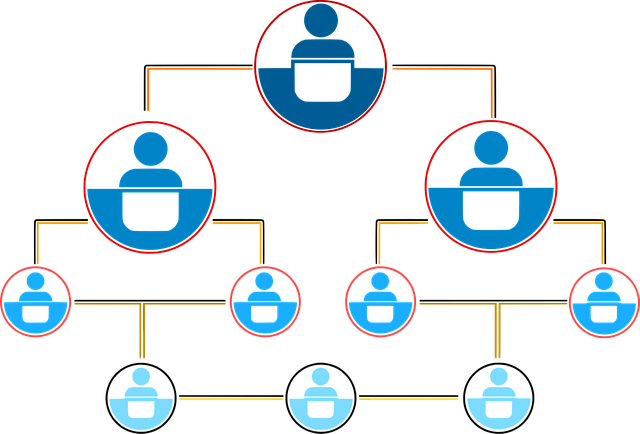
A structured work environment is a cornerstone of productivity and efficiency, fostering an atmosphere where tasks are accomplished seamlessly and employees thrive. Central to achieving this optimal setup is implementing robust workplace organization strategies. These strategies not only enhance operational effectiveness but also contribute to employee morale and overall job satisfaction. One proven methodology that combines order and continuous improvement is the 5S training program, rooted in lean management principles. This approach organizes the workspace, streamlining processes and eliminating waste, much like process standardization naturally occurs in well-oiled machines.
The 5S framework—Sort, Set in Order, Shine (Clean), Standardize, Sustain—serves as a powerful tool for workplace organization. ‘Sort’ involves categorizing items, discarding unnecessary ones, and ensuring only essential resources are present. ‘Set in Order’ emphasizes proper placement of tools and materials to facilitate easy access. ‘Shine’ or ‘Clean’ mandates regular maintenance and sanitation, promoting a visually appealing and hygienic environment that inspires productivity. ‘Standardize’ focuses on establishing clear guidelines and documenting processes for consistency. Finally, ‘Sustain’ encourages continuous improvement through regular reviews and employee involvement, ensuring the organizational strategy remains relevant and effective.
For instance, a manufacturing facility adopting 5S training might begin by sorting production lines, discarding obsolete equipment and clutter. Setting these lines in order involves arranging tools according to usage frequency and implementing color-coding for easy identification. Regular ‘shining’ sessions ensure machinery is cleaned and maintained optimally, reducing downtime. Standardization could involve creating standardized work instructions (SWIs) for each task, enabling new employees to quickly become proficient. Through sustained adherence to these principles, the facility not only enhances productivity but also cultivates a culture of continuous improvement that benefits both employees and management.
Continuous Improvement with 5S: Sustaining Organizational Excellence
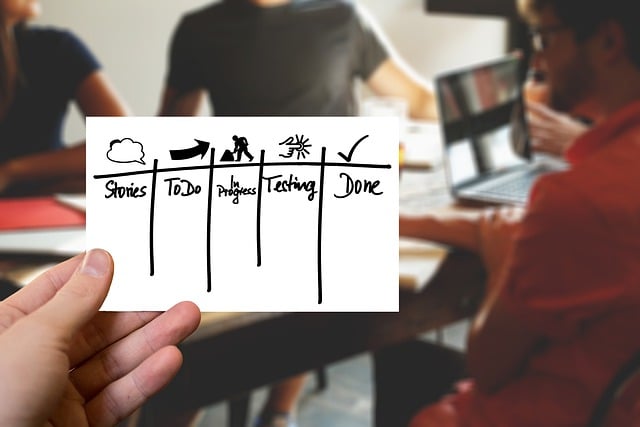
A structured work environment is the bedrock of any successful organization, fostering efficiency and cultivating a culture of continuous improvement. Among the many methodologies that organizations employ to achieve this, 5S stands out as a powerful tool for workplace organization and process standardization. Based on the Japanese lean management principles, 5S involves sorting, setting in order, shining (cleaning), standardizing, and sustaining—a comprehensive approach that goes beyond mere tidiness to drive operational excellence.
Implementing 5S training involves a systemic process that begins with sorting items by necessity and importance, eliminating waste and clutter. The second step, setting in order, involves organizing these essential items for easy accessibility, streamlining workflows and reducing time-wasting. Shining, or cleaning, ensures a hygiene culture that promotes safety and productivity. Standardization, the fourth pillar, establishes clear procedures and documentation to maintain consistency and quality across processes. Finally, sustaining 5S requires ongoing commitment, regular audits, and continuous improvement—a cycle that drives organizational growth and adaptability.
For instance, a manufacturing company adopting 5S training might begin by sorting tools and equipment based on their frequency of use. Unnecessary items are discarded, while the remaining are categorized for quick retrieval. The workplace is then organized according to lean management principles, with each station assigned specific tasks and responsibilities. Regular cleaning routines ensure a safe, clutter-free environment, while standardized procedures for inventory management enhance efficiency. Data from similar organizations show that implementing 5S continuous improvement can lead to significant reductions in waste, improved productivity, and enhanced workplace safety.
To harness the full potential of 5S, organizations should prioritize 5S training for all employees, fostering a culture of ownership and accountability. Regular reviews and audits ensure sustained compliance, while reward systems encourage active participation. By integrating 5S into their core operations, companies can achieve remarkable results—from increased productivity to improved employee satisfaction. Ultimately, embracing 5S continuous improvement is not merely about creating an orderly workspace; it’s about cultivating a mindset of excellence that drives organizational success in today’s dynamic business landscape.
Process Standardization: Ensuring Consistency and Quality in the Workplace
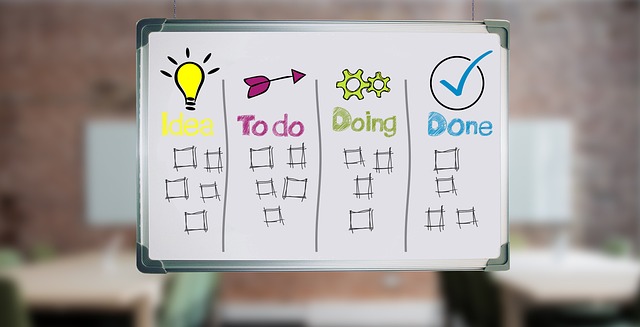
In the realm of workplace optimization, process standardization is a cornerstone for achieving consistency and quality. This involves meticulously organizing and streamlining work processes to eliminate waste and enhance efficiency. A structured approach not only improves productivity but also ensures that tasks are executed in a predictable manner, fostering an environment where employees can focus on value-added activities. For instance, consider a manufacturing facility implementing 5S training—a lean management principle emphasizing sorting, setting in order, shining (cleaning), standardizing, and sustaining. This system has been shown to reduce waste by up to 50% and significantly improve workflow efficiency.
The 5S continuous improvement methodology is a practical tool for achieving process standardization. By systematically organizing the workplace, businesses can minimize disruptions and maximize productivity. For example, a well-organized assembly line with clearly defined stations and standardized procedures ensures that each employee knows their role and can perform it efficiently. This organization translates to reduced setup times and faster production cycles, directly impacting the bottom line. Moreover, regular 5S audits and training sessions keep the workplace in top condition, preventing chaos and promoting a culture of continuous improvement.
Implementing process standardization requires commitment from leadership and buy-in from employees. Effective communication and training are vital to ensuring everyone understands their role in maintaining order. For instance, a healthcare facility adopting lean management principles might conduct 5S training for staff, teaching them how to streamline patient intake processes. This could involve simplifying forms, reorganizing filing systems, and implementing standardized protocols for patient registration. Post-training, regular reviews and incentives can motivate employees to maintain the new standards, creating a culture of quality control.
Ultimately, process standardization is not a one-time initiative but an ongoing practice. Regular assessments and data analysis are essential to identifying areas for improvement. By incorporating 5S training and lean management techniques, organizations can naturally evolve their processes, enhancing efficiency and customer satisfaction. This continuous improvement mindset ensures that the workplace remains optimized, adaptable, and competitive in an ever-changing business landscape.