
The 5S training methodology, a cornerstone of lean management, transforms workplace organization. By sorting, setting in order, shining (maintaining hygiene), standardizing, and sustaining these practices, organizations achieve significant gains: up to 30% reduction in tool-search time, 15-20% productivity boost, enhanced job satisfaction, and fostered operational excellence. Regular training and employee participation drive continuous improvement, making 5S a game-changer for modern industries.
In today’s fast-paced and competitive business landscape, effective visual management strategies have become indispensable for optimizing operations and enhancing productivity. The ability to visualize and streamline workflows can significantly reduce waste, improve efficiency, and foster a culture of continuous improvement within any organization. However, many companies struggle with implementing robust systems that ensure adherence to best practices. This article delves into the power of 5S training, a cornerstone of lean management, as a transformative solution for workplace organization and process standardization. By exploring this method, we aim to equip professionals with the tools necessary to achieve remarkable results in their pursuit of operational excellence.
- Understanding Visual Management Strategy: A Lean Approach to Workplace Organization
- Implementing 5S Training for Continuous Improvement and Process Standardization
- Cultivating a Culture of 5S: Sustaining Organizational Excellence Through Visualization
Understanding Visual Management Strategy: A Lean Approach to Workplace Organization

Visual Management Strategy, particularly when aligned with Lean principles, offers a powerful approach to workplace organization. At its core, this strategy leverages visual cues and standardized processes to eliminate waste, enhance efficiency, and foster a culture of continuous improvement. The 5S methodology—Sort, Set in Order, Shine (Clean), Standardize, Sustain—serves as the foundation for this lean management technique. Each ‘S’ represents a critical step in transforming work environments into streamlined, optimized spaces.
For instance, the Sort phase involves categorizing and eliminating unnecessary items, reducing clutter and promoting clear workspace allocation. Set in Order enhances workflow by organizing tools and materials based on their usage frequency, ensuring that frequently used items are easily accessible. Shine (Clean) prioritizes hygiene and maintenance, reflecting a commitment to quality and safety standards. Standardize, through 5S continuous improvement, natural process standardization, ensures these practices become ingrained in the workplace culture. This includes documenting processes, training staff, and regularly reviewing and updating systems for optimal efficiency.
Implementing this strategy yields tangible benefits. Studies show that visually organized workplaces can reduce time spent searching for tools by up to 30%, increase productivity by 15-20%, and enhance overall job satisfaction. Moreover, visual management fosters a sense of ownership among employees, empowering them to take responsibility for their workspace and contribute to the organization’s broader goals. Effective 5S training programs, combined with regular audits and continuous improvement initiatives, drive sustained workplace efficiency, making it an indispensable tool in any modern manufacturing or service industry aiming for operational excellence.
Implementing 5S Training for Continuous Improvement and Process Standardization

Visual management strategies play a pivotal role in enhancing workplace organization and driving continuous improvement. Among various tools, 5S training has emerged as an effective lean management approach, offering a structured framework to transform chaotic environments into streamlined processes. This methodology, rooted in Japanese production principles, prioritizes sorting, organizing, shining (cleaning), standardizing, and sustaining (continuity) to create a visually appealing and highly functional workplace.
Implementing 5S training involves a systematic process that begins with meticulous sorting of items within the workspace. Unnecessary elements are discarded, while essential tools and materials are categorized and assigned specific locations. This initial phase sets the stage for organized work areas, enabling employees to easily access required resources, thereby reducing time wasted in searching. For instance, a manufacturing facility utilizing 5S principles reported a 20% increase in production efficiency within three months due to streamlined material handling processes.
Process standardization is a cornerstone of 5S training, emphasizing clear and consistent procedures for various tasks. Visual cues, such as color-coded signs and labels, are strategically placed to guide workers through standardized work instructions. This visual management strategy not only enhances operational efficiency but also fosters a culture of continuous improvement. For example, a healthcare organization adopted 5S principles in their ward management, leading to reduced patient wait times by 15% and improved infection control practices due to enhanced visibility and accountability.
To ensure sustained benefits, regular training sessions and audits are crucial. Organizations should encourage employee participation in the 5S process, fostering ownership and accountability. By integrating these practices into daily operations, businesses can achieve remarkable outcomes, including increased productivity, reduced waste, and improved overall workplace satisfaction. Continuous improvement becomes a shared goal as employees actively contribute to refining processes, making 5S training a game-changer in modern lean management strategies.
Cultivating a Culture of 5S: Sustaining Organizational Excellence Through Visualization
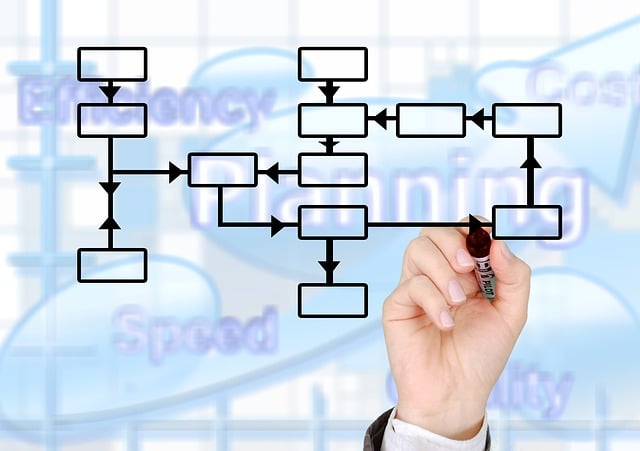
Visual management strategies, particularly the cultivation of a culture based on the 5S framework, play an indispensable role in sustaining organizational excellence. The 5S methodology—Sort, Set in Order, Shine (Clean), Standardize, Sustain—serves as a powerful tool for workplace organization and continuous improvement, deeply rooted in lean management principles. This systematic approach not only enhances efficiency and productivity but also fosters a culture of discipline and engagement among employees.
Implementing 5S training involves an initial sorting process where all items within a workspace are categorized and evaluated for necessity. This step alone can lead to significant waste reduction and clutter elimination, two primary obstacles to streamlined workflows. Once sorted, each item is assigned a designated place, promoting order and accessibility. The “Shine” phase leverages visual cues—clean, well-lit environments with color-coded labels and organized storage—to facilitate faster, more intuitive task execution. Standardization, achieved through consistent application of 5S principles, ensures that process improvements are maintained over time, naturally evolving into continuous improvement as employees become active participants in identifying and addressing inefficiencies.
Case studies from manufacturers adopting 5S training have demonstrated remarkable outcomes. One automotive supplier reported a 30% increase in production efficiency within six months, attributed to reduced downtime and improved workflow fluidity. Moreover, employee satisfaction soared due to the more comfortable, less distracting work environments. This success underscores the multifaceted benefits of cultivating a culture of 5S: enhanced operational performance, improved job satisfaction, and a naturally evolving system for continuous improvement. Organizations embracing this strategy are not merely managing spaces; they are fostering an environment where efficiency, engagement, and excellence become the norm.
By integrating a Visual Management Strategy centered around 5S training, organizations can achieve exceptional workplace organization and process standardization. This lean management approach not only facilitates continuous improvement but also cultivates a culture of excellence. Implementing 5S training equips employees with the skills to maintain a tidy, efficient workspace, streamlining operations and enhancing productivity. The article’s key insights underscore the power of visualization in driving organizational success, offering practical next steps for readers to apply these principles and reap the benefits of improved workflow management and sustainable efficiency.