
5S training, a lean management methodology rooted in Japanese manufacturing, offers a powerful strategy for optimizing workplace organization and operational efficiency. By focusing on sorting, setting in order, shining (cleaning), standardizing, and sustaining, businesses achieve significant gains such as increased productivity, enhanced safety, reduced waste, and improved quality. This system fosters a culture of continuous improvement, with studies showing average productivity increases up to 30% through process standardization. Regular training, clear communication, and leadership incentives are crucial for effective implementation, integrating these principles into an organization's DNA for sustained efficiency and competitive advantage in dynamic markets.
In today’s competitive business landscape, achieving operational excellence is not just an advantage but a necessity. The quest for a robust and efficient model has led organizations to explore methodologies such as 5S training and lean management. These approaches focus on workplace organization and continuous improvement, aiming to eliminate waste and optimize processes. By implementing the 5S principles—Sort, Set in Order, Shine, Standardize, and Sustain—and integrating them with lean management techniques, businesses can transform their operations. This article delves into how structured 5S training empowers employees, enhances productivity, and fosters a culture of continuous improvement, ultimately driving organizational success.
- Understanding Business Efficiency: The Foundation
- Implementing 5S Training for Optimal Workplace Organization
- Lean Management Techniques: Streamlining Processes
- Continuous Improvement with Standardized Workflows
- Measuring Success: Key Performance Indicators (KPIs)
- Cultivating a Culture of Ongoing Enhancement
Understanding Business Efficiency: The Foundation

Understanding Business Efficiency serves as the bedrock upon which organizations build their competitive edge. It is a holistic approach that transcends mere productivity; it encompasses optimal resource utilization, streamlined processes, and a culture of continuous improvement. The foundation lies in implementing robust systems like 5S training and lean management principles, which have proven their mettle in diverse industries globally.
5S training, drawing from Japanese manufacturing heritage, involves sorting (seiri), setting in order (seiton), shining (seiso), standardizing (seiketsu), and sustaining (shitsuke) to create a clean, organized workplace. This method not only enhances aesthetics but also improves workflow efficiency by minimizing clutter and waste. For instance, an automotive plant utilizing 5S reported a 20% reduction in setup times for machines after implementing the system. Lean management, another powerful tool, focuses on eliminating non-value-added activities through process standardization and continuous improvement.
Workplace organization is not merely about aesthetics; it directly impacts productivity and employee morale. A well-organized space reduces time wasted searching for tools or documents, enabling employees to focus on tasks. Process standardization naturally flows from efficient organization and 5S practices, leading to predictable outcomes and reduced variation in production or service delivery. This not only enhances quality but also facilitates training new staff more effectively, as standardized processes are easier to grasp. Organizations such as Toyota have long championed lean management, achieving remarkable efficiency gains through meticulous process analysis and elimination of waste.
To harness the full potential of these methodologies, businesses must foster a culture that embraces continuous improvement. This involves encouraging feedback from all levels of the organization, setting measurable goals, and regularly reviewing progress. Implementing these practices requires commitment from leadership and buy-in from employees, who should be empowered to identify inefficiencies and contribute solutions. By integrating 5S training, lean management, and robust workplace organization into their operational fabric, organizations can lay a solid foundation for sustained efficiency and competitive advantage in today’s dynamic business landscape.
Implementing 5S Training for Optimal Workplace Organization
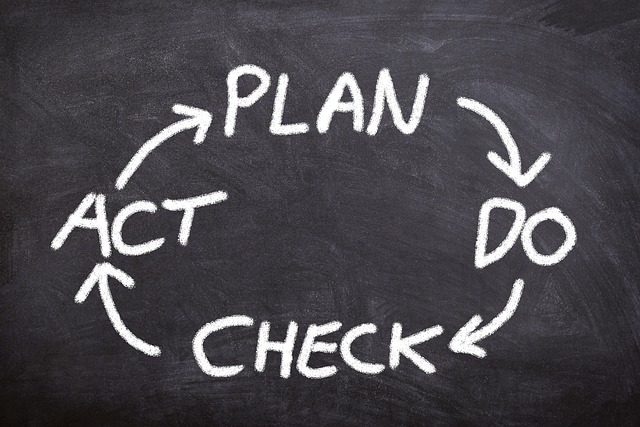
The implementation of 5S training is a powerful strategy for businesses aiming to optimize their workplace organization and overall operational efficiency. Rooted in lean management principles, 5S is a systematic approach that transforms work environments into streamlined, productive spaces. This method involves five key elements—Sort, Set in Order, Shine, Standardize, and Sustain—which collectively drive continuous improvement and process standardization. By adopting 5S training, companies can achieve remarkable results, from increased productivity to enhanced safety and reduced waste.
At its core, the Sort step encourages businesses to eliminate clutter and unnecessary items from their workspaces. This initial phase involves categorizing and discarding or storing items appropriately, ensuring that only essential tools and resources remain accessible. For example, a manufacturing facility might sort through various spare parts, retaining only the most frequently used ones, which not only saves storage space but also expedites inventory management. Once sorting is complete, the Set in Order component takes center stage, focusing on arranging the remaining items logically and efficiently. This step involves creating standardized workstations or areas, ensuring that everything has its designated place, thereby improving workflow and accessibility.
Following the initial setup, the Shine phase emphasizes regular maintenance and cleanliness. It encourages employees to keep their workspaces neat and tidy, conducting daily or weekly inspections to identify and rectify any disorder promptly. This practice not only maintains a visually appealing environment but also fosters a culture of accountability and pride among workers. Moreover, regular cleaning and inspection routines can reveal potential safety hazards or inefficiencies that might otherwise go unnoticed, allowing businesses to address these issues proactively. As the 5S journey progresses, Standardization becomes the cornerstone for sustained success. This involves creating and adhering to standardized work procedures, ensuring that processes are consistent and efficient across the organization. By documenting and sharing best practices, companies can train new employees quickly and maintain quality standards over time.
Lean Management Techniques: Streamlining Processes
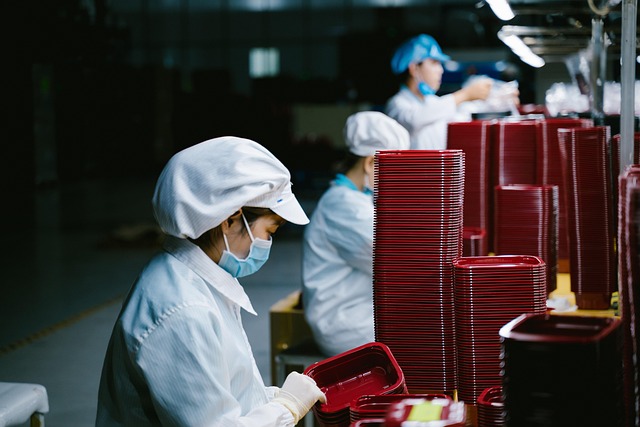
Lean management techniques have become a cornerstone of business efficiency models, with their focus on streamlining processes to maximize productivity and minimize waste. One of the most effective tools within this framework is 5S training, a system that organizes workplaces according to five key principles: Sort, Set in Order, Shine (Clean), Standardize, and Sustain. This method not only enhances workplace organization but also fosters a culture of continuous improvement, enabling businesses to achieve significant operational efficiencies.
For instance, a manufacturing plant adopting 5S practices might start by sorting through its floor space, removing unnecessary items and keeping only essential tools and materials. The next step involves setting these in order, arranging them logically to facilitate smooth workflow. Regular cleaning, or shining, ensures that the workspace remains tidy, which not only improves aesthetics but also reduces the risk of accidents. Standardization comes into play with process documentation and training, ensuring that all employees follow the same protocols for each task. Finally, sustaining these practices through regular reviews and continuous improvement sessions keeps the system effective over time.
A study by McKinsey & Company found that companies implementing lean management techniques experienced an average increase in productivity of 10% to 30%. This is primarily attributed to the systematic reduction of non-value-added activities and the optimization of workflow through process standardization. To harness these benefits, organizations should invest in comprehensive 5S training for all employees, aligning with the principles of lean management. By cultivating a disciplined approach to workplace organization and continuous improvement, businesses can achieve not only immediate operational gains but also long-term sustainability and competitive advantage.
Continuous Improvement with Standardized Workflows

Continuous Improvement through Standardized Workflows is a cornerstone of any successful business efficiency model, particularly within the framework of lean management. This approach leverages powerful methodologies like 5S training to optimize processes, enhance productivity, and minimize waste. By implementing structured systems for organizing workspaces and streamlining operations, organizations can achieve remarkable gains in efficiency and quality.
The 5S methodology—Sort, Set in Order, Shine, Standardize, and Sustain—serves as a comprehensive tool for workplace organization. For instance, sorting involves categorizing items, keeping only what’s essential; setting in order ensures every item has a designated place. Shining requires maintaining cleanliness, facilitating easy access to tools and materials. Standardization, through process documentation and 5S continuous improvement, naturally emerges as employees become adept at their tasks. Finally, sustaining these practices demands ongoing training and cultural reinforcement.
Data from various studies underscores the impact of lean management principles. Companies adopting 5S training report reductions in production time by up to 30% and significant improvements in product quality. Process standardization can also lead to decreased defect rates, with some organizations achieving over 99% accuracy after implementing these practices. Furthermore, enhanced workplace organization fosters better collaboration among team members, leading to increased employee satisfaction and retention.
To integrate continuous improvement with standardized workflows, businesses should prioritize regular training sessions focusing on 5S principles. Involving employees in the process ensures buy-in and promotes a culture of ownership. Establishing clear goals and metrics for improvement, regularly reviewing progress, and making data-driven adjustments are essential steps. By combining these strategies, organizations can create an environment where efficiency flourishes, enabling them to stay competitive in today’s dynamic market.
Measuring Success: Key Performance Indicators (KPIs)
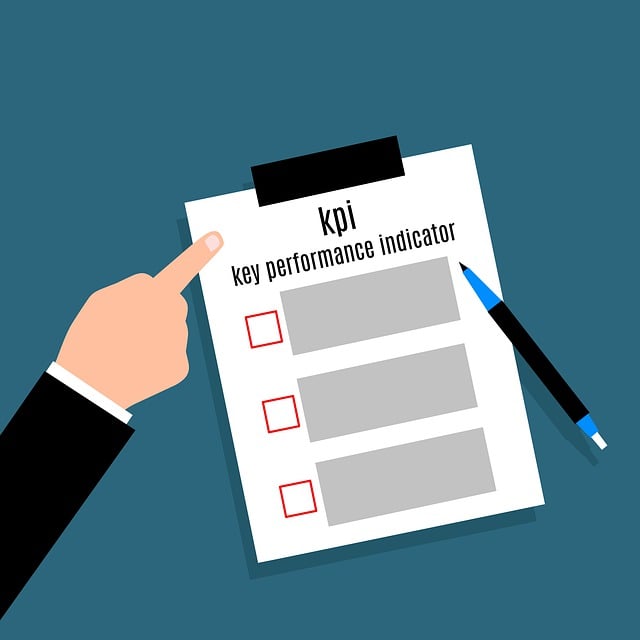
Measuring success is a critical aspect of any business efficiency model. Key Performance Indicators (KPIs) serve as beacons guiding organizations towards their strategic goals. In the context of lean management and workplace organization, KPIs must align with the core principles of 5S training—Sort, Set in Order, Shine (Clean), Standardize, and Sustain—to drive continuous improvement. For instance, a manufacturing firm might track “defect rates” as a KPI, aiming to minimize them through standardized processes and regular 5S audits. This data-driven approach allows managers to identify bottlenecks, implement process improvements, and monitor progress toward reduction targets.
Effective KPI selection is crucial for ensuring that business efforts are focused on what matters most. For example, a service-oriented company might prioritize “customer satisfaction ratings” over purely financial metrics. By setting measurable goals related to 5S continuous improvement, organizations can enhance overall workplace organization and efficiency. Process standardization naturally flows from clear KPIs, enabling employees to understand expectations and work collaboratively toward common objectives. Regular reviews and adjustments to these indicators ensure that the business remains agile and responsive to changing market conditions.
Actionable advice for implementing a robust KPI system includes involving key stakeholders in the selection process, ensuring alignment with strategic goals, and providing transparent communication channels. Organizations should also establish benchmark data for historical comparison. For instance, a retail store could track “sales per square foot” as a performance indicator, comparing current figures to those from previous years or competitors. By fostering a culture of data-driven decision-making, 5S training, and lean management principles can be effectively integrated into the fabric of an organization, driving sustained improvements in efficiency and productivity.
Cultivating a Culture of Ongoing Enhancement
Cultivating a Culture of Ongoing Enhancement is a cornerstone of any successful business efficiency model. This involves a holistic approach to workplace organization and process standardization, inspired by lean management principles and enhanced through 5S training. The 5S methodology—Sort, Set in Order, Shine (Clean), Standardize, Sustain—serves as a powerful framework for achieving both immediate improvements and long-term sustainability. By implementing these practices, organizations can streamline operations, reduce waste, and foster an environment where continuous improvement becomes second nature.
For instance, consider a manufacturing facility that employs 5S training across all departments. Initially, the process involves sorting through excessive inventory, discarding obsolete items, and organizing essential tools within easy reach. This not only improves workflow efficiency but also creates a cleaner, safer workspace. Subsequently, establishing clear standards for each step of production—from raw material handling to final assembly—ensures consistent quality control. Regular 5S audits and employee involvement in continuous improvement initiatives further reinforce these gains, naturally driving process standardization throughout the organization.
Data from studies shows that companies adopting lean management principles and 5S training experience significant improvements in productivity, with an average increase of 15-20% within the first year. These gains are not merely superficial; they stem from deeper efficiencies in resource allocation and minimized downtime. Moreover, a culture of ongoing enhancement promotes employee engagement, as staff become active participants in optimizing their work environments rather than passive recipients of change.
To cultivate this culture effectively, leaders must prioritize consistent training and communication. Regular workshops and refresher courses on 5S principles should be conducted to keep practices sharp and relevant. Incentivizing innovation through suggestion schemes or reward systems for successful process improvements can also foster a sense of ownership among employees. Ultimately, integrating ongoing enhancement into the organizational DNA requires sustained commitment from leadership at all levels, ensuring that continuous improvement becomes not just a practice, but a way of life within the business.
By integrating key concepts from 5S training, lean management, and continuous improvement methodologies, businesses can dramatically enhance their operational efficiency. Implementing structured workplace organization through 5S training optimizes space and streamlines processes, while lean management techniques focus on eliminating waste and maximizing value in every step of a process. Standardized workflows, when combined with robust key performance indicators (KPIs), allow for measurable progress and continuous enhancement. Ultimately, cultivating a culture that embraces ongoing improvement ensures these strategies remain effective over time, positioning businesses for sustained growth and competitive advantage.