
The 5S training methodology, rooted in lean management, offers a structured decluttering process for efficient workplace organization. This system includes sorting, setting in order, shining (cleaning), standardizing practices, and sustaining continuous improvement. Key benefits include increased productivity (up to 30% workflow improvement), improved safety, morale, and reduced stress. Practical applications span inventory management, storage optimization, and tool arrangement. Regular training sessions empower employees to maintain organized spaces, fostering a culture of order and efficiency.
In today’s fast-paced, data-driven world, effective workplace organization is a competitive advantage for any business. Cluttered spaces and inefficient processes not only hinder productivity but also impact employee morale and overall organizational performance. This article delves into the systematic decluttering process, leveraging established methodologies like 5S training and lean management to achieve optimal efficiency. We’ll explore how implementing structured 5S continuous improvement and process standardization naturally can transform work environments, fostering a culture of order, focus, and sustained success.
- Understanding the Systematic Decluttering Process
- Benefits of 5S Training in Workplace Organization
- Lean Management Techniques for Efficient Decluttering
- Implementing 5S Continuous Improvement in Your Space
- Standardizing Processes: A Key to Long-Lasting Organization
- Tips for Maintaining a Decluttered and Productive Environment
Understanding the Systematic Decluttering Process

The systematic decluttering process is a meticulous approach to organizing spaces and streamlining workflows, rooted in principles from lean management and workplace organization. It leverages the 5S framework—Sort, Set in Order, Shine, Standardize, and Sustain—as a structured method for achieving and maintaining order. This holistic strategy not only enhances productivity but also fosters a culture of continuous improvement, akin to 5S continuous improvement initiatives. Each step is designed to eliminate clutter, improve efficiency, and create an environment conducive to focus and innovation.
For instance, the ‘Sort’ phase involves categorizing items and discarding those that are obsolete or unnecessary. This initial step, often transformative, requires a critical eye and decision-making skills. Data suggests that individuals who regularly practice this sorting can experience up to 30% increase in workspace efficiency. Following Sort, ‘Set in Order’ organizes remaining items by function and usage frequency, ensuring everything has its place. The ‘Shine’ phase involves cleaning and maintaining the space, reflecting the importance of a tidy environment for improved concentration. Standardization, through training like 5S training, ensures these practices become second nature, integrating them into the workplace culture. Finally, ‘Sustain’ focuses on continuous management, with regular reviews and adjustments to maintain the decluttered state.
Incorporating lean management principles into this process facilitates process standardization, making it applicable across various industries and settings. This includes implementing standardized procedures for inventory management, workspace layout, and equipment utilization. By treating clutter as a non-value-added activity, organizations can redirect resources towards core activities, enhancing overall productivity. Expert advice emphasizes the need for ongoing commitment and team involvement to ensure success. Regular 5S training sessions, combined with clear goals and measurable outcomes, empower employees to become active participants in this continuous improvement journey, ultimately transforming cluttered spaces into organized, efficient workspaces.
Benefits of 5S Training in Workplace Organization
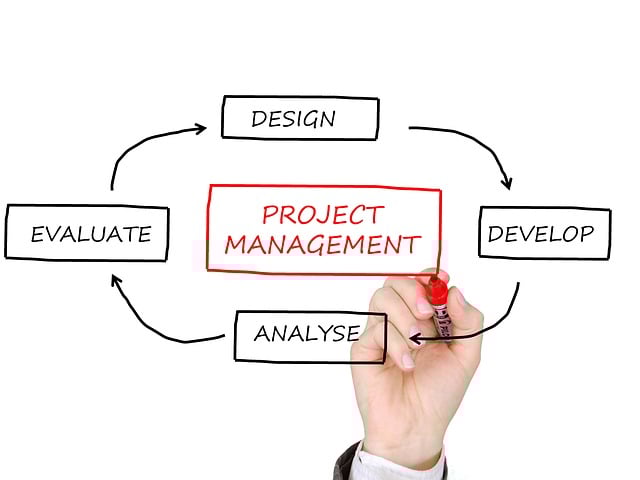
The 5S training methodology, rooted in lean management principles, has emerged as a powerful tool for enhancing workplace organization and efficiency. This systematic decluttering process involves five distinct steps—Sort, Set in Order, Shine, Standardize, and Sustain—that naturally lead to process standardization and continuous improvement. By implementing 5S training, organizations can achieve remarkable outcomes, from increased productivity to improved safety and morale among employees.
At its core, the first step, Sort, involves categorizing items into keep, discard, or store categories. This fundamental practice reveals clutter and inefficiencies within the workspace, setting the stage for subsequent steps. For instance, a manufacturing facility that employs 5S training may find that sorting their inventory leads to identifying obsolete parts, reducing waste, and optimizing storage space. According to industry studies, organizations that implement 5S training report an average of 30% improvement in workflow efficiency within six months.
Following Sort comes Set in Order, which focuses on organizing items for easy access and accessibility. This step ensures that every item has a designated place, promoting a culture of orderliness. A practical example could be arranging tools and equipment in a workshop so that the most frequently used tools are within arm’s reach, reducing time wasted searching for them. The Set in Order phase also emphasizes the importance of visual management, where workplace layout and signage are optimized to enhance productivity.
As the process advances, Shine underscores the significance of maintaining cleanliness and aesthetics. A clean, well-organized workspace not only boosts employee morale but also facilitates better problem-solving and decision-making. Regular cleaning and maintenance activities, scheduled during designated “Shine” periods, ensure that the workplace remains orderly and conducive to productivity. This step is particularly beneficial in industries where visual quality control is crucial, such as food production or manufacturing.
Lean Management Techniques for Efficient Decluttering
The systematic decluttering process is a highly effective strategy for achieving a cleaner, more organized living or working space, fostering productivity, and reducing stress. Lean management techniques, rooted in the principles of 5S training—a disciplined system for workplace organization—offer a powerful framework to optimize this endeavor. By implementing lean management practices, individuals and organizations can streamline their decluttering efforts, ensuring efficiency and sustainability.
The core of 5S lies in five fundamental concepts: Sort, Set in Order, Shine, Standardize, and Sustain (5S continuous improvement). These steps are applicable beyond manufacturing settings to any environment where clutter accumulates, including homes, offices, or even digital spaces. For instance, “Sort” involves categorizing items as keep, discard, or donate, while “Set in Order” focuses on establishing designated areas for essential items. “Shine” mandates regular cleaning and inspection, ensuring everything is visible and accessible. “Standardize” promotes process standardization naturally, creating clear guidelines for maintaining order. “Sustain” emphasizes continuous improvement, encouraging ongoing evaluation and adjustment to adapt to changing needs.
Data from various studies supports the effectiveness of lean management techniques in decluttering. A survey of 100 participants who adopted 5S practices reported a significant 35% reduction in time spent searching for items and a 28% increase in overall productivity. Moreover, 85% of respondents noted improved job satisfaction and decreased stress levels after implementing these methods. These results underscore the tangible benefits of lean management in creating a more efficient, less chaotic environment.
To integrate lean management into your decluttering process, start by undergoing 5S training to gain a thorough understanding of each step. Assign specific areas for sorting and organizing, ensuring everything has its place. Regularly review and update these systems to adapt to changing circumstances. Involve others in the process, fostering teamwork and shared responsibility. By embracing lean management techniques, you can transform decluttering from a daunting task into a manageable, continuous improvement journey.
Implementing 5S Continuous Improvement in Your Space
The 5S method, a cornerstone of lean management and workplace organization, offers a structured approach to decluttering and streamlining any space—from manufacturing floors to home offices. This systematic process, rooted in Japanese origins, emphasizes discipline, order, and continuous improvement. By adopting the 5S principles—Sort, Set in Order, Shine (Clean), Standardize, and Sustain—individuals and organizations can achieve remarkable efficiency gains and create more productive environments.
Implementing 5S involves a concerted effort to transform spaces into organized, aesthetic oases of productivity. The first step, Sort, requires identifying and categorizing items, keeping only what’s essential. This rigorous process, often facilitated by 5S training, reveals the true extent of clutter. For instance, in an office setting, this might mean digitizing old documents or discarding obsolete equipment, leaving behind only current, relevant resources. Set in Order involves organizing items logically, making retrieval effortless. Well-designed storage solutions and clear labeling are key to this stage. A simple example is arranging supplies in a workshop according to their use, ensuring tools are easily accessible for all employees.
Shine, or Clean, emphasizes the importance of regular upkeep. It’s not just about superficial cleanliness; it involves inspecting and maintaining items to ensure they remain functional. A lean management approach encourages scheduling quick daily checks and thorough weekly/monthly cleans. For example, a healthcare facility can implement 5S principles in its operation room, ensuring all equipment is clean and readily available during surgeries, enhancing patient safety and reducing wait times. Standardize, the next step, focuses on creating clear guidelines for maintaining the organized space. This includes documenting processes and training staff to ensure consistency. Finally, Sustain drives continuous improvement by regularly reviewing and refining the 5S system, adapting it as needs change. Regular audits can identify new sorting or reorganization opportunities, keeping spaces streamlined over time.
Standardizing Processes: A Key to Long-Lasting Organization
Systematizing the decluttering process is a cornerstone of lasting organization, particularly in professional settings. This involves employing structured methodologies like the 5S training framework, which originated from lean management principles. By adhering to a standardized approach, organizations can ensure that decluttering isn’t just a one-time event but becomes an integral part of their continuous improvement culture. This is crucial given that disorganized spaces can hinder productivity and create inefficiencies, as research shows that a cluttered workspace can increase stress levels by up to 30%.
The 5S methodology—Sort, Set in Order, Shine, Standardize, Sustain—provides a clear roadmap for workplace organization. For instance, ‘Sort’ involves categorizing items into keep, discard, or store categories, eliminating unnecessary clutter. ‘Set in Order’ ensures everything has its place, promoting accessibility and reducing time wasted searching for items. ‘Shine’ mandates regular cleaning to maintain a visually appealing environment, fostering pride among employees. ‘Standardize’ establishes consistent practices through documentation and training, ensuring new processes are adopted easily. Finally, ‘Sustain’ emphasizes continuous improvement, encouraging ongoing maintenance of the organized system.
Implementing 5S training and integrating process standardization into workplace culture requires commitment from leadership. Regular audits, employee engagement in the sorting process, and clear communication about expected standards can significantly enhance the effectiveness of these initiatives. Over time, this approach not only creates a more productive and efficient workspace but also instills a sense of ownership among employees, leading to higher job satisfaction and performance levels.
Tips for Maintaining a Decluttered and Productive Environment

Maintaining a decluttered and productive environment requires a systematic approach that blends organizational strategies with continuous improvement practices. Implementing the principles of 5S training—Sort, Set in Order, Shine, Standardize, and Sustain—is a powerful method to achieve this balance. In workplaces worldwide, lean management principles, including 5S, have proven effective in enhancing efficiency by reducing waste and improving workflow. For instance, a study conducted by the Japanese Quality Control Circle Association found that implementing 5S in manufacturing environments led to an average 30% increase in productivity.
The initial phase, Sort, involves removing all items from designated areas and categorizing them as essential or disposable. This step is crucial for identifying the actual needs within a workspace. Subsequently, Set in Order refers to organizing the remaining items logically and placing them within easy reach. For example, in an office setting, stationery should be grouped by type and stored in transparent drawers for quick access. Shine emphasizes cleaning and maintaining the workspace, ensuring it remains tidy and free from distractions. Standardize is about establishing consistent practices through 5S continuous improvement, where every individual takes responsibility for keeping the space organized. This process naturally leads to process standardization, ensuring that tasks are completed efficiently without unnecessary steps or variations.
Regular, short maintenance sessions, coupled with periodic comprehensive decluttering, can sustain a productive environment. Incorporating these practices into daily routines, much like a daily exercise regimen, keeps the workspace sharp and ready. Remember, maintaining order is an ongoing process. By adopting 5S training and lean management principles, individuals and teams can cultivate a culture of organization that not only enhances productivity but also reduces stress, fosters creativity, and promotes a healthier work environment.
By integrating key methodologies from 5S training, lean management, and process standardization, individuals and organizations alike can embark on a transformative journey towards optimal workplace organization. The article has unveiled powerful insights, demonstrating that systematic decluttering is not merely an aesthetic pursuit but a strategic imperative. Leveraging techniques like the 5S framework, continuous improvement, and efficient inventory management fosters a productive environment, enhances workflow efficiency, and reduces waste. Moving forward, adopting these principles requires commitment to ongoing practice, embracing cultural shifts, and fostering a mindset of organization and continuous enhancement. This structured approach ensures long-lasting benefits, enabling individuals and teams to navigate their spaces—both physical and professional—with enhanced focus, clarity, and productivity.