
Factory floor optimization combines 5S training (Sort, Set in Order, Shine, Standardize) with lean management to enhance efficiency. Key benefits include reduced waste, increased productivity, faster tool location, improved quality, and standardized processes leading to consistent performance. Regular audits, employee engagement, and continuous refinement sustain gains. Visual management tools optimize workflows further. Tailored KPIs measure success across process efficiency, quality, productivity, and employee satisfaction. This holistic approach enables manufacturers to achieve higher operational efficiency and quality through process standardization naturally.
In today’s competitive manufacturing landscape, optimizing the factory floor is not just an advantage—it’s a necessity. Efficient operations drive productivity, reduce waste, and enhance overall competitiveness in the market. However, navigating complex production processes, addressing inefficiencies, and fostering continuous improvement can be daunting. This article explores a powerful solution: Factory Floor Optimization through 5S Training and Lean Management. By implementing structured workplace organization and process standardization, we can harness the potential of 5S continuous improvement to create streamlined environments that naturally support lean manufacturing principles.
- Understanding Factory Floor Optimization: The Core Concepts
- Implementing 5S Training for Efficient Workplace Organization
- Lean Management Techniques to Streamline Processes
- Unlocking Continuous Improvement with Standardized Procedures
- Visual Management: A Key to Maintaining Order on the Factory Floor
- Measuring Success: Metrics and KPIs for Optimization Evaluation
Understanding Factory Floor Optimization: The Core Concepts

Factory floor optimization involves a holistic approach to enhancing production efficiency and productivity on the factory floor. At its core, it encompasses several interconnected concepts that, when implemented effectively, can dramatically transform operational dynamics. One foundational pillar is the 5S training methodology—a system of organizing workplace spaces to promote order, cleanliness, and efficiency. This involves sorting items, setting them in specific places, shining a light on hidden areas, standardizing practices, and continually sustaining this discipline.
Lean management, another key concept, focuses on eliminating waste within production processes. By identifying and removing non-value-added steps, companies can streamline operations, reduce lead times, and enhance overall productivity. Workplace organization, therefore, isn’t merely about aesthetics; it’s a strategic imperative that directly impacts workflow efficiency. For instance, implementing mobile shelving and efficient tool storage systems can significantly reduce the time workers spend searching for tools or materials, thereby increasing production rates.
Continuous improvement is inherent in these methodologies, with 5S training fostering a culture of regular audits and adjustments to maintain order, while lean management encourages ongoing process refinement based on data-driven insights. Companies like Toyota, renowned for their lean manufacturing practices, have demonstrated that these strategies can lead to substantial improvements in output and quality. By standardizing processes naturally through standardized work instructions and visual cues, organizations can ensure consistent performance across shifts and teams, reducing variability and enhancing product quality.
Implementing 5S Training for Efficient Workplace Organization

Factory floor optimization is a key strategy for enhancing productivity and efficiency in manufacturing environments. One powerful tool within this framework is 5S training, a methodology rooted in lean management principles designed to transform chaotic workspaces into organized, streamlined operations. The name 5S originates from five Japanese words: seiri (sort), seiton (set in order), seiso (shine), seiketsu (standardize), and shitsuke (sustain). This systematic approach not only improves visual management but also cultivates a culture of continuous improvement among employees.
Implementing 5S training involves several crucial steps. Firstly, sorting involves identifying and categorizing items used on the factory floor, eliminating unnecessary clutter. Subsequently, setting in order ensures that tools and materials are arranged logically for easy access, promoting efficiency. Shining, or cleaning, maintains a visually appealing workspace, enhancing safety and morale. Standardization, achieved through clear documentation and training, ensures processes are consistent and easily replicable. Finally, sustaining these practices requires ongoing commitment and reinforcement, often facilitated by dedicated 5S champions within the organization.
The benefits of 5S training extend far beyond immediate workplace improvements. According to a study by the Lean Manufacturing Institute, facilities that implement 5S with dedication can expect significant gains in productivity, reducing waste and improving overall equipment effectiveness (OEE). For instance, a case study of a Japanese auto parts manufacturer reported an increase in OEE from 70% to 90% after introducing 5S practices. Moreover, improved organization translates into reduced search times for tools, less downtime due to part shortages, and enhanced safety as clutter is minimized. By integrating 5S continuous improvement into lean management strategies, manufacturers can achieve process standardization naturally, fostering an environment where efficiency and quality become the norm rather than the exception.
Lean Management Techniques to Streamline Processes

Factory floor optimization is a strategic approach that leverages lean management techniques to streamline processes, enhance efficiency, and reduce waste. At the heart of this methodology lies the concept of 5S training—a structured system that includes sorting, setting in order, shining (cleaning), standardizing, and sustaining. By implementing these principles, manufacturers can achieve significant improvements in workplace organization and overall operational performance.
The first step in the 5S framework is sorting, where all items on the factory floor are categorized as essential or non-essential. This process involves rigorous assessment and removal of unnecessary equipment, materials, or tools that might hinder productivity. For instance, a car manufacturing plant might identify and discard redundant components or tools from previous production runs, freeing up valuable space and reducing retrieval times. Studies show that effective sorting can lead to a 20-30% increase in operational efficiency by minimizing downtime and enhancing workflow fluidity.
Process standardization is the next crucial step, which involves creating consistent procedures for each task. This includes defining clear standards for work methods, tool placement, and quality control checks. For example, implementing standardized operating procedures (SOPs) for assembly lines ensures that every operator follows the same steps, leading to more uniform product quality. Data from manufacturing giants like Toyota suggests that process standardization can reduce errors by up to 50% and significantly improve overall equipment effectiveness (OEE). Additionally, 5S continuous improvement initiatives encourage regular audits and adjustments to these standards, ensuring they remain relevant and optimized over time.
Unlocking Continuous Improvement with Standardized Procedures

Factory floor optimization is not just about implementing new technologies; it’s equally rooted in fundamental principles of workplace organization and process standardization. Unlocking continuous improvement begins with a structured approach that leverages tools like 5S training and lean management methodologies. The 5S framework – Sort, Set in Order, Shine (Clean), Standardize, Sustain – serves as a powerful lens for enhancing efficiency and productivity. By systematically organizing the workspace, eliminating waste, and establishing consistent standards, manufacturers can achieve significant gains in throughput and quality.
For instance, a study by the Lean Manufacturing Institute revealed that companies implementing 5S practices reported an average 20% increase in operational efficiency within six months. This transformation is not merely aesthetic; it’s a strategic move towards leaner, more agile operations. Process standardization, a natural outcome of 5S continuous improvement, ensures that tasks are performed consistently and predictably, reducing errors and enhancing overall productivity. This standardization allows for better training of new employees, facilitates knowledge transfer, and enables faster onboarding, ultimately fostering a culture of continuous learning and improvement.
Practical insights from industry experts underscore the importance of integrating 5S training into factory floor optimization strategies. Regular audits, employee engagement, and continuous refinement are key to sustaining these gains. Management must prioritize workplace organization as a strategic imperative, investing in training and resources necessary to empower employees to take ownership of process improvement. By fostering an environment where standardized procedures are not just followed but also continuously enhanced, manufacturers can navigate the ever-evolving landscape of production with agility and resilience.
Visual Management: A Key to Maintaining Order on the Factory Floor

Visual management is a powerful tool for optimizing factory floor operations and cultivating a culture of continuous improvement. At its core, this approach leverages the human tendency to respond positively to clear, organized environments while embracing principles of 5S training and lean management. By systematically organizing workspaces, equipment, and processes, visual management reduces waste, streamlines workflows, and enhances overall efficiency.
For instance, consider a manufacturing plant where each workstation is equipped with color-coded labels denoting the specific task or material assigned to that area. This simple yet effective practice not only makes it easier for workers to locate resources quickly but also promotes accountability. Similarly, implementing visual cues like charts, graphs, and indicators can provide real-time data on production metrics, enabling managers to identify bottlenecks and make informed adjustments without resorting to lengthy reports.
The impact of these measures is profound: studies show that well-organized factories experience up to 30% faster cycle times and reduced employee downtime due to search efforts. Moreover, continuous improvement becomes a natural by-product as visual management encourages regular audits and adjustments based on ongoing performance data. This dynamic approach, deeply rooted in the principles of 5S continuous improvement, fosters an environment where efficiency is not just measured but actively pursued and maintained.
To implement these strategies effectively, organizations should invest in comprehensive 5S training for all employees. This involves teaching them to Sort, Set in Order, Shine (clean), Standardize, and Sustain the workspace and workflow. By integrating these practices into daily operations, companies can ensure that visual management becomes a sustainable culture rather than a fleeting initiative. Regular reviews and employee engagement in the process are also crucial; after all, it’s the collective effort and buy-in that drives the most meaningful transformation on the factory floor.
Measuring Success: Metrics and KPIs for Optimization Evaluation
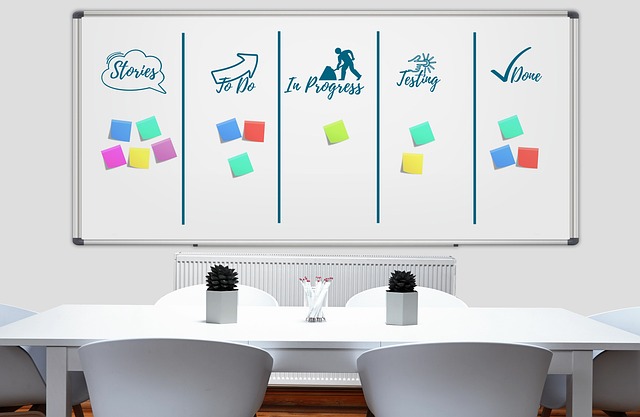
Factory floor optimization is a multifaceted strategy that demands a precise evaluation method to gauge success. Measuring the effectiveness of initiatives like 5S training and lean management requires a set of key performance indicators (KPIs) tailored to workplace organization and continuous improvement. These metrics should encompass various aspects, reflecting process efficiency, quality, productivity, and employee satisfaction—all critical factors for sustainable optimization.
For instance, implementing 5S continuous improvement methodologies can be evaluated by tracking the reduction in waste, measured through data on scrap rates or time spent on non-value-added activities. Process standardization naturally lends itself to performance analysis via cycle time metrics, demonstrating the time taken to complete tasks or processes from start to finish. Workplace organization, a cornerstone of 5S training, can be assessed using visual inspection methods, where regular audits score the cleanliness and orderliness of the workspace, ensuring it meets predefined standards.
Furthermore, key indicators should encompass quality metrics, such as defect rates post-implementation, which can help identify improvements in product consistency. Productivity gains are another vital measure, calculated by comparing output or throughput before and after optimization strategies. Employee feedback and satisfaction surveys offer qualitative insights into the impact on workforce morale and engagement. Combining these quantitative and qualitative data points provides a holistic view of success, enabling managers to make informed adjustments to their optimization plans.
Factory floor optimization is a multifaceted strategy that, when implemented holistically, can significantly enhance productivity, efficiency, and overall workplace satisfaction. Key takeaways from this article underscore the importance of structured systems in achieving these goals. Implementing 5S training for efficient workplace organization forms a solid foundation, encouraging employees to maintain clean, organized spaces. Lean management techniques streamline processes by eliminating waste and fostering continuous improvement, while standardized procedures ensure consistency and reduce errors. Visual management tools act as powerful reminders, keeping operations on track. Measuring success through defined metrics and KPIs allows for continuous refinement, aligning efforts with tangible outcomes. Moving forward, organizations can harness the power of 5S continuous improvement methodologies, process standardization, and lean management to revolutionize their factory floor dynamics, ultimately unlocking greater operational excellence.