The 5S training methodology, rooted in lean management principles, offers a structured approach to decluttering and organizing spaces. By following five steps—Sort, Set in Order, Shine, Standardize, Sustain—individuals and businesses create efficient, safe environments that reduce waste, improve workflow, and enhance productivity. Regular training and audits ensure continuous improvement, fostering a culture of organization and efficiency that drives long-term success across various industries.
In today’s fast-paced world, effective workplace organization is a cornerstone of success for any business. Cluttered spaces and inefficient processes hinder productivity, create stress, and ultimately impact bottom line performance. This article delves into the power of systematic decluttering as a strategic tool for enhancing workplace efficiency through proven methodologies like 5S training and lean management principles. By exploring a structured approach to decluttering, we provide valuable insights into how organizations can cultivate a culture of continuous improvement, streamlining operations and fostering a more productive and engaged workforce.
- Understanding the Systematic Approach to Decluttering
- Implementing 5S Training for Optimal Workplace Organization
- The Role of Lean Management in Continuous Improvement
- Sustaining Decluttering: Natural Process Standardization Techniques
Understanding the Systematic Approach to Decluttering

A systematic approach to decluttering is a process that transforms chaotic spaces into organized havens, streamlining operations and enhancing productivity. This method transcends mere aesthetics; it’s rooted in lean management principles, specifically drawing from the 5S training framework. The 5S methodology—Sort, Set in Order, Shine (Clean), Standardize, and Sustain—is a powerful tool for workplace organization and continuous improvement. By systematically implementing these steps, individuals and organizations can achieve remarkable efficiency gains.
For instance, in manufacturing settings, adopting 5S principles has been shown to reduce waste by up to 50%, improve workflow by simplifying access to tools and materials, and lower injury risks through safer workspace design. This lean management approach encourages the standardization of processes, ensuring that every employee follows consistent protocols for organizing their workstations. Regular 5S training sessions facilitate continuous improvement as teams identify new ways to optimize their work environments.
Incorporating a systematic decluttering practice requires commitment and discipline. Start by sorting items into keep, discard, and donate categories. Set in order by establishing designated storage areas for each category. Shine or clean involves removing dust and debris, reflecting the importance of hygiene in organized spaces. Standardize through process documentation to ensure consistency across teams and locations. Sustain is the ongoing practice of regularly reviewing and refining your system to adapt to evolving needs. By integrating these principles into daily routines, individuals and businesses can maintain an organized environment that fosters efficiency and creativity.
Implementing 5S Training for Optimal Workplace Organization

The implementation of 5S training is a powerful strategy for achieving optimal workplace organization and fostering a culture of continuous improvement. Drawing from lean management principles, this structured approach—comprising Sort, Set in Order, Shine, Standardize, and Sustain—enables employees to transform their workspace environment into a streamlined, efficient system. By meticulously sorting through items, establishing clear organizational structures, maintaining cleanliness, and standardizing processes, organizations can reduce waste, enhance productivity, and create a safer, more pleasant work environment.
For instance, a study conducted by Harvard Business Review revealed that companies adopting 5S training experienced an average 27% increase in operational efficiency within six months. This substantial improvement was attributed to the systematic reduction of clutter, elimination of non-value-added activities, and the establishment of standardized work practices. Moreover, the continuous improvement aspect of 5S encourages regular audits and adjustments, ensuring that workplace organization remains a dynamic, evolving process.
Practical application begins with a thorough Sort, where all items are evaluated for necessity and purpose. Unnecessary items are discarded or recycled, freeing up valuable space. Following this, Set in Order involves organizing remaining items by function and frequency of use. Clear labeling and designated storage areas streamline access and retrieval. Shine focuses on cleaning the workspace, removing dirt and contaminants that can hinder productivity and employee health. Standardize solidifies these improvements through process standardization, ensuring every team member follows the same protocols for maintaining organization. Sustain emphasizes the ongoing nature of 5S, with regular refills, checks, and adjustments to adapt to changing needs.
To maximize the benefits of 5S training, organizations should encourage active participation from all employees. Providing comprehensive training sessions and resources ensures everyone understands their role in the continuous improvement process. Regular reviews and feedback mechanisms can help identify areas for refinement and reinforce the long-term value of workplace organization. By embracing the 5S philosophy, companies not only gain a more organized, productive workspace but also cultivate an environment where efficiency and quality become inherent parts of daily operations.
The Role of Lean Management in Continuous Improvement
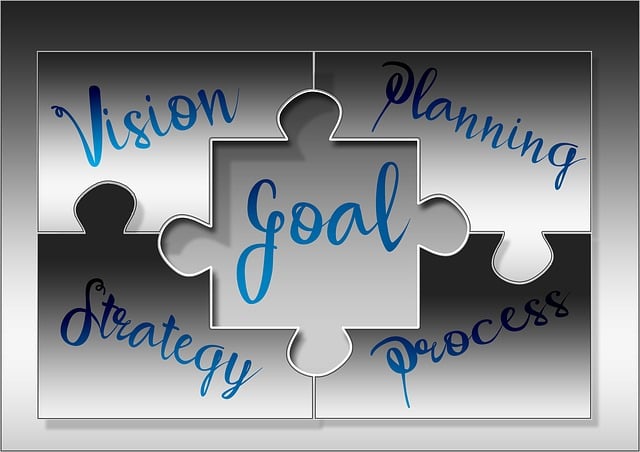
Systematic decluttering is a powerful tool for enhancing productivity and creating an organized, efficient workplace. At its core, this practice is deeply intertwined with lean management principles, particularly when leveraging 5S training and continuous improvement methodologies. The 5S framework—Sort, Set in Order, Shine (Clean), Standardize, Sustain—serves as a structured approach to workplace organization, fostering a culture of process standardization.
Lean management, with its focus on eliminating waste and maximizing efficiency, naturally aligns with the 5S methodology. By implementing 5S continuous improvement, organizations can achieve remarkable results in terms of productivity gains and reduced costs. For instance, a study by the Lean Enterprise Institute revealed that companies adopting lean practices experienced an average increase of 10-20% in production efficiency within two years. This transformation is not solely numerical; it translates into improved quality, enhanced employee satisfaction, and a more responsive work environment.
Practical application involves training employees in 5S techniques, empowering them to identify and eliminate unnecessary items (Sort), organize tools and equipment for easy access (Set in Order), maintain cleanliness through regular ‘shining’ sessions (Shine), establish consistent standard operating procedures (Standardize), and continuously monitor and improve processes (Sustain). A successful example is seen in manufacturing plants where organized storage areas and standardized work flows have led to reduced downtime, improved safety, and increased output.
To cultivate a sustained decluttering culture, organizations should integrate 5S training into onboarding processes and regularly conduct audits to ensure adherence. By embracing lean management principles, businesses can create an environment that not only promotes efficiency but also fosters innovation, ultimately driving long-term success in today’s competitive marketplace.
Sustaining Decluttering: Natural Process Standardization Techniques

Systematic decluttering is not merely a one-time task but a continuous process designed to maintain a clutter-free environment. To sustain this practice naturally, organizations often turn to process standardization techniques inspired by lean management principles, specifically the 5S methodology. The 5S training approach—Sort, Set in Order, Shine (Clean), Standardize, and Sustain—has been proven effective in workplace organization, fostering an environment that promotes efficiency, safety, and quality. For instance, a study by Harvard Business Review found that implementing lean management practices can lead to significant operational improvements, including reduced waste and increased productivity.
The key to successful decluttering lies in integrating these standards into the organizational culture through continuous improvement initiatives. By adopting 5S as a regular practice, workplaces can maintain order even as new items are introduced. For example, daily or weekly sorting sessions ensure that materials are either kept, disposed of, or stored appropriately, preventing accumulation over time. Process standardization naturally extends beyond physical spaces to digital systems and documentation, where digitizing records and implementing clear file structures can significantly reduce clutter and improve accessibility.
Moreover, involving employees in the decluttering process enhances buy-in and ownership. 5S continuous improvement encourages team collaboration, with each member taking responsibility for their workspace. Regular training sessions and periodic reviews ensure that standards are consistently met, fostering a disciplined approach to organization. For instance, a manufacturing facility might implement a “clean as you go” policy, coupled with scheduled deep cleaning sessions, leading to an environment where cleanliness is maintained without constant supervision. Ultimately, the successful sustenance of decluttering practices hinges on combining structured methodologies with cultural alignment and continuous engagement.